


The Art of Japanese Style Woodworking Fasteners: A Fusion of Tradition and Innovation
2026-10-13


Japanese style woodworking fasteners represent a remarkable fusion of traditional craftsmanship and contemporary design principles. Renowned for their strength and aesthetic appeal, these fasteners offer not only functional benefits but also enhance the artistic value of wooden structures. This article delves into the characteristics and advantages of these fasteners, making it a valuable read for
Japanese style woodworking fasteners represent a remarkable fusion of traditional craftsmanship and contemporary design principles. Renowned for their strength and aesthetic appeal, these fasteners offer not only functional benefits but also enhance the artistic value of wooden structures. This article delves into the characteristics and advantages of these fasteners, making it a valuable read for professionals in the building and decorative materials industry.
At the heart of Japanese woodworking lies a deep respect for the natural materials and the craftsmanship involved in creating durable and beautiful structures. Japanese style woodworking fasteners are designed to complement this philosophy. They are often crafted from high-quality materials that ensure longevity and resilience, making them ideal for both interior and exterior applications. Unlike conventional fasteners, which may use screws or nails that can detract from the visual aesthetics of the wood, Japanese fasteners often employ unique joinery techniques that create seamless connections. This not only preserves the natural beauty of the wood but also provides superior structural integrity.
One of the most notable types of Japanese woodworking fasteners is the "dowel." Dowels are cylindrical rods that fit into corresponding holes drilled in the wood, allowing for a strong bond without the need for visible hardware. This technique, known as "joinery," has been a staple of Japanese carpentry for centuries. The precision with which these dowels are made ensures a snug fit, contributing to the overall strength of the assembly while maintaining a clean, unobtrusive appearance.
Another characteristic of Japanese style woodworking fasteners is their adaptability. They can be used in a variety of wood types and styles, allowing for greater versatility in design. Whether constructing traditional tatami-floored rooms, modern minimalist furniture, or intricate wooden sculptures, these fasteners provide the durability required without compromising on the aesthetic aspects of the woodwork.
Moreover, Japanese woodworking fasteners often incorporate innovative features that enhance their functionality. For example, some fasteners may have additional elements that allow for easy adjustments or expansions, catering to the evolving needs of architectural design. This adaptability is especially pertinent in today’s fast-paced construction environment, where efficiency and flexibility are paramount.
In summary, Japanese style woodworking fasteners represent a harmonious blend of tradition and modernity, offering professionals in the building and decorative materials sector a reliable and aesthetically pleasing solution. By embracing these fasteners, builders and designers can not only enhance the structural integrity of their projects but also celebrate the artistry inherent in woodworking. Utilizing Japanese style woodworking fasteners can lead to durable, beautiful constructions that stand the test of time while honoring the rich heritage of this unique craft.
TAG:
Related News
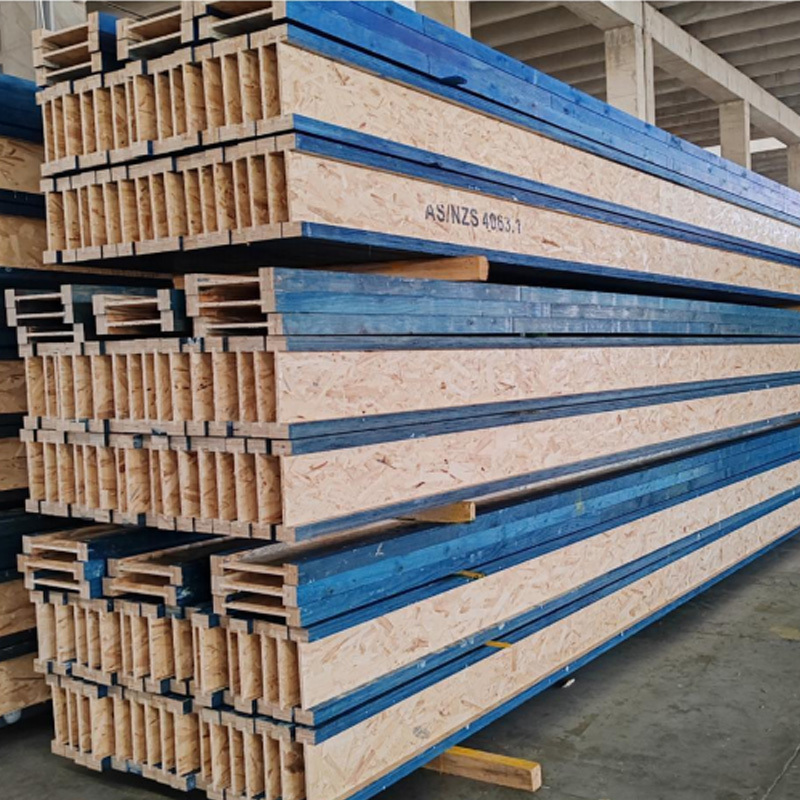
Innovative Uses of H20 Beams in Building and Renovation
Innovative Uses of H20 Beams in Building and Renovation
Table of Contents
Introduction to H20 Beams
What Are H20 Beams?
Benefits of H20 Beams in Construction
Lightweight Yet Strong
Sustainable and Eco-Friendly
Versatility in Design
Innovative Applications of H20 Beams
Residential Buildings
Comme


