


Innovative Uses of H20 Beams in Building and Renovation
2026-11-10


Innovative Uses of H20 Beams in Building and Renovation
Table of Contents
Introduction to H20 Beams
What Are H20 Beams?
Benefits of H20 Beams in Construction
Lightweight Yet Strong
Sustainable and Eco-Friendly
Versatility in Design
Innovative Applications of H20 Beams
Residential Buildings
Comme
Innovative Uses of H20 Beams in Building and Renovation
Table of Contents
- Introduction to H20 Beams
- What Are H20 Beams?
- Benefits of H20 Beams in Construction
- Innovative Applications of H20 Beams
- Case Studies of H20 Beams in Action
- Installation and Maintenance of H20 Beams
- Future Trends in H20 Beam Usage
- Frequently Asked Questions
- Conclusion
Introduction to H20 Beams
In the ever-evolving world of construction, **H20 beams** have emerged as a revolutionary solution for architects and builders alike. These engineered wood beams are not just another structural option; they represent a paradigm shift in how we approach design and functionality in construction and renovation projects.
What Are H20 Beams?
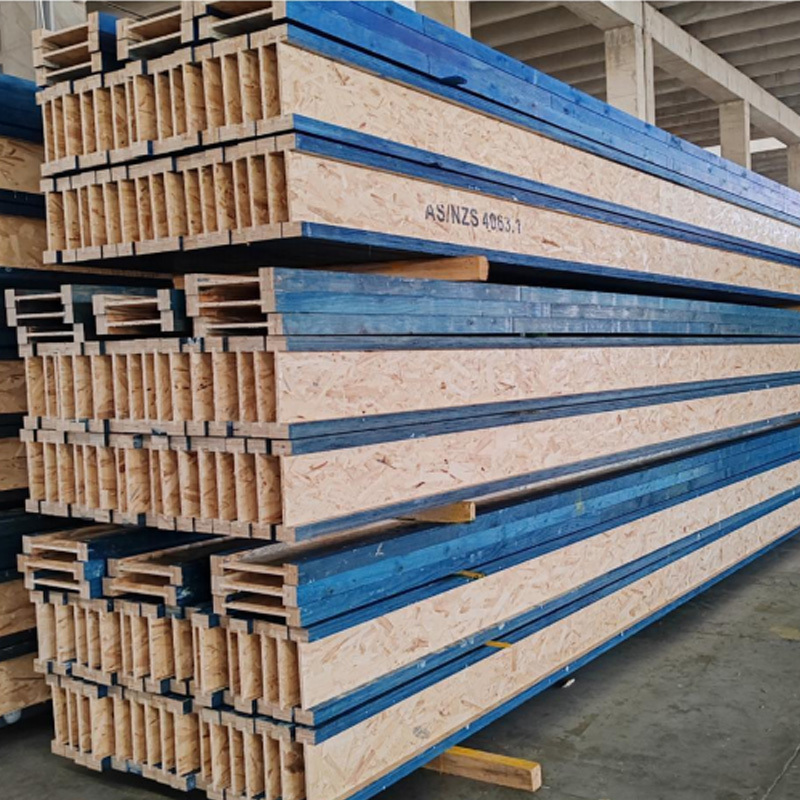
H20 beams, also known as **H-beams** or **I-beams**, are composite structural elements made from engineered wood. Their unique H-shaped cross-section allows for superior strength and stability, making them ideal for a variety of applications. These beams are widely recognized for their ability to span large distances without the need for additional supports, which opens up new possibilities in architectural design.
Benefits of H20 Beams in Construction
Lightweight Yet Strong
One of the most compelling advantages of H20 beams is their **lightweight nature** combined with exceptional strength. This feature not only reduces the overall weight of the structure, leading to lower foundation costs, but it also simplifies handling and installation. Builders appreciate the ease with which these beams can be transported and manipulated on-site.
Sustainable and Eco-Friendly
Sustainability is a critical consideration in modern construction. H20 beams are often produced from renewable resources, making them an eco-friendly choice. Their efficiency in material usage means that less wood is required to produce the same structural integrity compared to traditional lumber. This aspect aligns with the growing demand for greener building materials.
Versatility in Design
H20 beams are incredibly versatile, providing architects with the flexibility to create innovative designs. Their ability to span large distances without intermediary supports opens up spaces, allowing for more **open floor plans** and unique architectural features. Whether in residential homes or commercial buildings, the design possibilities are virtually limitless.
Innovative Applications of H20 Beams
Residential Buildings
In residential construction, H20 beams are particularly beneficial for creating large, open spaces that enhance the living experience. They can be used in various applications, including:
- **Floor systems**: Their lightweight nature allows for easier installation in multi-story homes.
- **Roof structures**: H20 beams can support complex roof designs while minimizing the need for additional supports.
These applications not only improve aesthetics but also enhance the functionality of living spaces.
Commercial Projects
Commercial construction projects also benefit significantly from the use of H20 beams. They provide the high loading capacities required for large structures and can be utilized in:
- **Office buildings**: Large open office spaces can be created without obstructive columns.
- **Warehouses**: Their strength allows for wide-span structures, accommodating heavy equipment and storage needs.
Case Studies of H20 Beams in Action
Several notable projects showcase the innovative use of H20 beams in construction. One such example is the **XYZ Office Complex**, where these beams facilitated an expansive open-plan layout while ensuring structural integrity. The use of H20 beams not only met the design requirements but also contributed to a reduction in construction time and costs.
Another remarkable case is the **ABC Residential Project**, which utilized H20 beams to create spacious living areas that attracted homeowners looking for modern designs. The project demonstrated the aesthetic and functional benefits of incorporating these beams into residential architecture.
Installation and Maintenance of H20 Beams
Installing H20 beams requires careful planning and execution. Builders must ensure that they are adequately supported and positioned correctly to maintain structural integrity. Regular maintenance is also vital to ensure longevity. Checking for signs of wear and tear, including any warping or splitting, will help maintain the beams’ performance over time.
Future Trends in H20 Beam Usage
The future of H20 beam usage in construction looks promising, with trends pointing toward increased adoption in sustainable building practices. As the demand for eco-friendly materials grows, H20 beams will likely see further innovations in manufacturing techniques to enhance their performance. Additionally, advancements in technology may lead to improved design software that allows architects to maximize the advantages of H20 beams in their projects.
Frequently Asked Questions
1. What makes H20 beams different from traditional lumber?
H20 beams are engineered wood products designed for superior strength and stability, allowing for larger spans and reduced weight compared to traditional lumber.
2. Are H20 beams eco-friendly?
Yes, H20 beams are often made from sustainable materials and require less wood for their production, making them a more eco-friendly choice in construction.
3. Can H20 beams be used in both residential and commercial projects?
Absolutely. H20 beams are versatile and can be used effectively in various applications, including residential homes and commercial buildings.
4. What are the installation requirements for H20 beams?
Proper installation requires careful planning, ensuring that the beams are adequately supported and aligned correctly to maintain structural integrity.
5. How do H20 beams compare in cost to traditional building materials?
While the initial cost of H20 beams may be higher than traditional lumber, their lightweight nature and strength can lead to overall cost savings in terms of reduced labor and foundation requirements.
Conclusion
The innovative uses of H20 beams in building and renovation represent a significant advancement in construction practices. Their lightweight nature, strength, and versatility make them a compelling choice for architects and builders looking to push the boundaries of design while adhering to sustainability principles. As we continue to embrace modern construction technologies, the future of H20 beams looks bright, promising even more innovative applications that will shape the buildings of tomorrow. Adopting these materials not only enhances the structural integrity of projects but also aligns with the increasing demand for eco-friendly building solutions. By incorporating H20 beams into our designs, we can create spaces that are not only aesthetically pleasing but also functional and sustainable.
TAG:
Related News
Innovative Uses of H20 Beams in Building and Renovation
Innovative Uses of H20 Beams in Building and Renovation
Table of Contents
Introduction to H20 Beams
What Are H20 Beams?
Benefits of H20 Beams in Construction
Lightweight Yet Strong
Sustainable and Eco-Friendly
Versatility in Design
Innovative Applications of H20 Beams
Residential Buildings
Comme


