


Understanding Diagonal Brace Latch: Essential Insights for Building and Construction
2026-02-06


Diagonal brace latches play a crucial role in the construction and architectural industry, serving as essential components that enhance stability and security in various applications. These latches are designed to provide robust fastening solutions for doors, gates, and panels, ensuring that they remain securely closed when needed. The unique diagonal design not only adds to the aesthetic appeal b
Diagonal brace latches play a crucial role in the construction and architectural industry, serving as essential components that enhance stability and security in various applications. These latches are designed to provide robust fastening solutions for doors, gates, and panels, ensuring that they remain securely closed when needed. The unique diagonal design not only adds to the aesthetic appeal but also contributes to the structural integrity of the installations.
One of the key features of a diagonal brace latch is its ability to distribute force evenly across the connection points. This characteristic is particularly beneficial in applications where there may be significant stress or movement, such as in outdoor gates or heavy doors. By utilizing a diagonal brace latch, builders can enhance the durability of their projects, minimizing the risk of wear and tear that often accompanies traditional latching mechanisms.
The installation process of a diagonal brace latch is relatively straightforward, making it an accessible option for both professional contractors and DIY enthusiasts. Typically, the latch consists of a latch plate and a corresponding hook, which can be easily mounted on the desired surfaces. When installing, it is vital to ensure that the latch aligns correctly with the point of attachment to achieve optimal functionality. Proper alignment guarantees that the latch operates smoothly and securely, providing peace of mind for users.
In addition to their structural advantages, diagonal brace latches come in various materials and finishes, allowing for customization to match the aesthetic of any project. Whether it is a rustic wooden gate or a modern metal door, the right diagonal brace latch can enhance the overall look while serving its practical purpose. The availability of different styles also means that architects and builders can find a latch that complements their design vision without sacrificing performance.
Furthermore, diagonal brace latches can be complemented with additional security features such as padlocks or deadbolts, offering enhanced protection for properties that require heightened security measures. This adaptability makes them a popular choice for both residential and commercial applications.
In summary, diagonal brace latches are vital components in the construction and decorative materials sector. Their unique design offers both functional and aesthetic advantages, making them a preferred choice for securing doors and gates. Understanding the importance of these latches can aid builders and architects in selecting the right hardware for their projects, ultimately contributing to the longevity and safety of their structures. Incorporating diagonal brace latches into building designs can result in significant benefits, combining strength with visual appeal for various applications.
TAG:
Related News
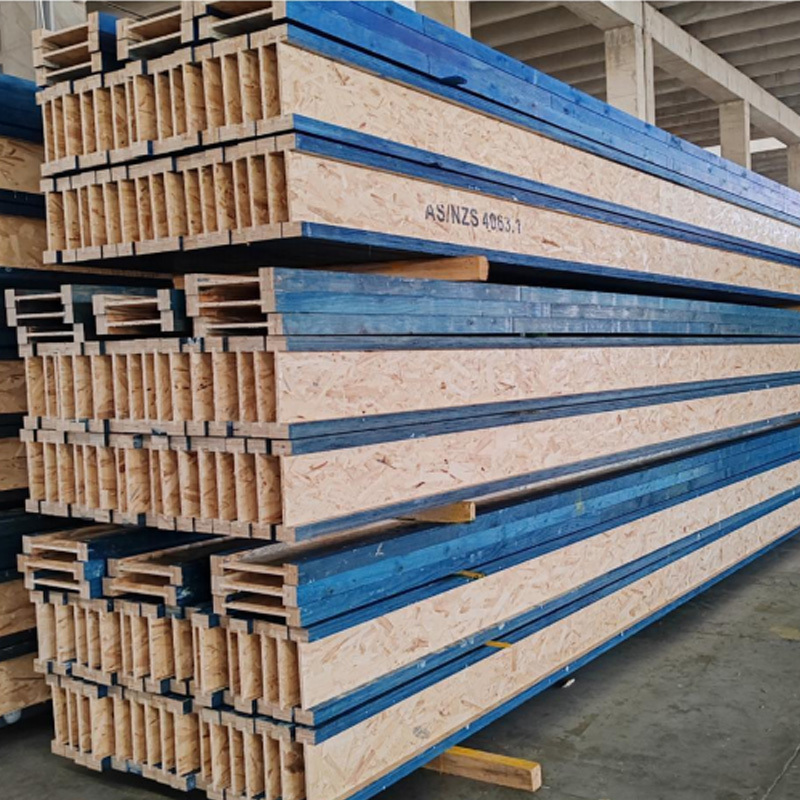
Innovative Uses of H20 Beams in Building and Renovation
Innovative Uses of H20 Beams in Building and Renovation
Table of Contents
Introduction to H20 Beams
What Are H20 Beams?
Benefits of H20 Beams in Construction
Lightweight Yet Strong
Sustainable and Eco-Friendly
Versatility in Design
Innovative Applications of H20 Beams
Residential Buildings
Comme


