


Optimizing Bridge Construction: The Importance of Ringlock Scaffolding
2026-07-25


When it comes to bridge construction, the choice of scaffolding can significantly impact the project's success. Among the various options available, Ringlock scaffolding has emerged as a preferred solution for many contractors. This scaffolding system is known for its robust design, stability, and flexibility, making it ideal for the demanding environments often associated with bridge projects.
On
When it comes to bridge construction, the choice of scaffolding can significantly impact the project's success. Among the various options available, Ringlock scaffolding has emerged as a preferred solution for many contractors. This scaffolding system is known for its robust design, stability, and flexibility, making it ideal for the demanding environments often associated with bridge projects.
One of the standout features of Ringlock scaffolding is its modular design. The system consists of a series of components that can be combined in various ways to create structures tailored to specific project requirements. This adaptability allows for quick adjustments on-site, which is especially beneficial in bridge construction where unique architectural shapes and heights are common. The ability to customize the scaffolding layout ensures that workers can safely access all areas of the bridge, from the foundation to the highest points.
Safety is a primary concern in any construction project, and Ringlock scaffolding excels in this aspect. The system's interlocking mechanism provides exceptional stability, reducing the risk of accidents. With its ability to carry heavy loads, Ringlock scaffolding minimizes the chances of collapse, ensuring a safer working environment for construction crews. Additionally, the system can be easily equipped with safety features such as guardrails and toe boards, further enhancing worker protection.
Another advantage of Ringlock scaffolding is its ease of assembly and disassembly. The simple design allows workers to set up the scaffolding quickly, which is crucial in time-sensitive bridge projects. Reduced assembly time means that crews can focus more on the actual construction work, leading to greater overall productivity. This efficiency is particularly important given the tight timelines often associated with infrastructure projects.
Moreover, Ringlock scaffolding is compatible with various accessories, such as platforms and ladders, facilitating a complete scaffolding solution for bridge construction. These accessories can be tailored to meet specific height and load requirements, ensuring that workers have the necessary support and tools for their tasks.
In conclusion, Ringlock scaffolding stands out as an efficient and reliable choice for bridge projects. Its modular design, safety features, and ease of use make it an ideal solution for the complex requirements of bridge construction. By investing in quality scaffolding systems like Ringlock, contractors can enhance worksite safety and efficiency, ultimately leading to successful project completion. As the construction industry continues to evolve, embracing innovative scaffolding solutions is key to meeting the challenges of modern infrastructure development.
TAG:
Related News
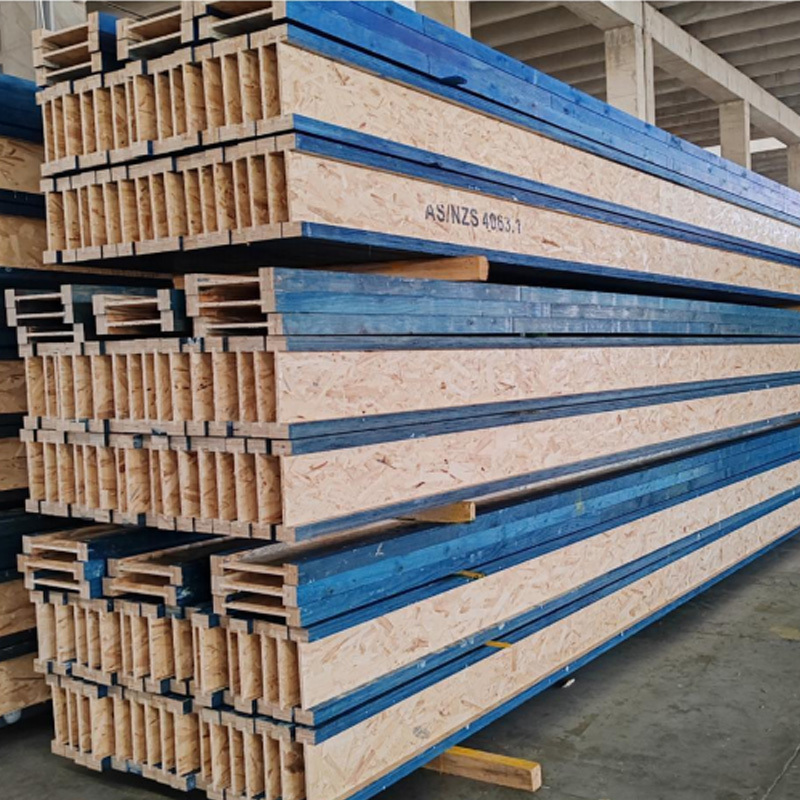
Innovative Uses of H20 Beams in Building and Renovation
Innovative Uses of H20 Beams in Building and Renovation
Table of Contents
Introduction to H20 Beams
What Are H20 Beams?
Benefits of H20 Beams in Construction
Lightweight Yet Strong
Sustainable and Eco-Friendly
Versatility in Design
Innovative Applications of H20 Beams
Residential Buildings
Comme


